![Flâneurdec[k]](https://substackcdn.com/image/fetch/$s_!o0qh!,w_120,h_120,c_fill,f_webp,q_auto:good,fl_progressive:steep/https%3A%2F%2Fbucketeer-e05bbc84-baa3-437e-9518-adb32be77984.s3.amazonaws.com%2Fpublic%2Fimages%2Fc26e4546-6d4f-4390-a826-f78f7b340047_500x500.png)

The “14 to 90 Day” Reality Check 🗓️✔️
The number one reason businesses stick with terrible legacy software is the fear of migrating. Let’s look at the actual data.
InFlow’s1 implementation guide shows that a proper database migration and workflow setup takes anywhere from 14 to 90 days, depending on your operational complexity. It’s a real project, not a magic button.
BUT, they boast a massive 97.8% Support Satisfaction Rating. Here is why:
Every single customer gets a Dedicated Customer Success Manager. They don’t hand you a login and run; they help you build a workflow plan, train your team, and map your integrations.
Free support is included for every subscriber (Email, Chat, and Callback).
The Takeaway: Implementation takes time, but doing it right with a dedicated expert fixes your supply chain permanently. No excuses, just execution. 🚀
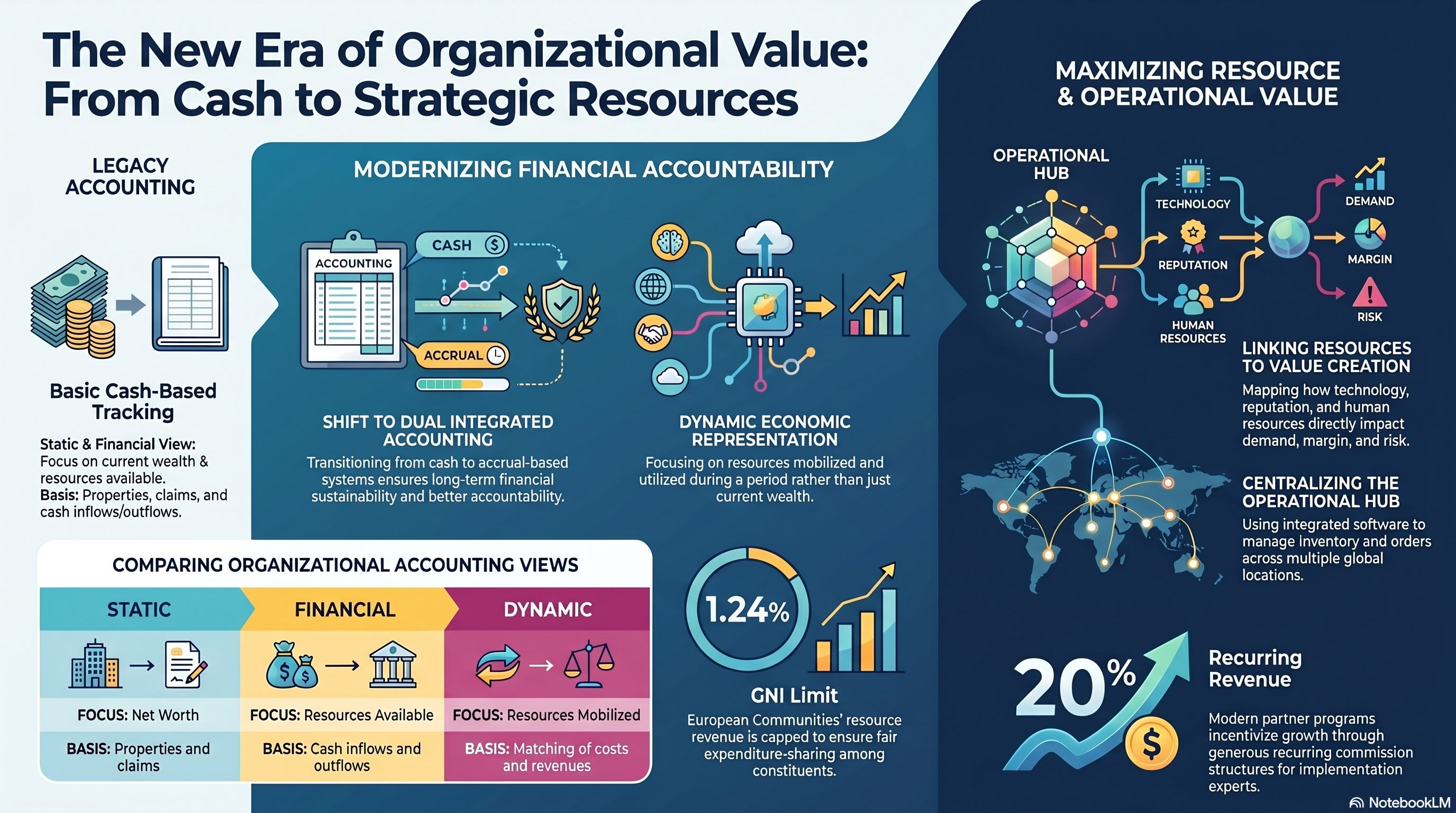
Figure 1: A Conceptual Framework for Resource-Driven and Sustainable Value Creation
This schematic delineates the complex value chain through which modern enterprise value is generated. In the contemporary economic landscape, competitive advantage is increasingly dependent upon the development, integration, and reconfiguration of intangible resources rather than physical assets alone. The framework structures this process across three critical dimensions:
The Resource Foundation: The model establishes a comprehensive taxonomy of inputs, distinguishing between traditional tangible assets (physical and monetary) and critical intangible resources, which include technology, reputation, human capital, artistic rights, relational networks, and organizational culture.
Operational Performance Drivers: The strategic deployment of these resources directly shapes organizational performance through two primary channels: Demand Impact (influencing perceived quality, customer acquisition, retention, and price tolerance) and Cost Impact (driving cost and capital efficiencies, while optimizing fixed and production costs). Together, these impacts dictate core performance variables such as volume, margin, and risk.
Enterprise Value Creation: The synthesis of these operational outcomes ultimately determines the overarching business value, which is theoretically and mathematically represented as the net present value (NPV) of expected future cash flows.
The Integration of Sustainable Externalities: Furthermore, the framework contextualizes long-term viability by emphasizing the necessity of sustainable value creation. It demonstrates that comprehensive strategic investment appraisals must explicitly identify and internalize external impacts—specifically economic, environmental, and social externalities. By integrating these wider external costs and benefits into the project appraisal and decision-making process, organizations can capture a more complete picture of sustainable value creation.
🎁 Exclusive inFlow Offer: Free $499 Onboarding Package
Give your clients a better Xero integration (flawless two-way sync and category tracking) and a mobile manufacturing app that tracks real-time shop floor costs—all while saving them $499 USD.
Use code SAVE26 at checkout. Offer expires July 31st.
I believe in transparency. So, heads up: some links in this review are affiliate links. If you purchase them, I may earn a small commission (at no extra cost to you!). It helps me keep the lights on and create more helpful content like this.
![Flâneurdec[k]](https://substackcdn.com/image/fetch/$s_!eeGq!,w_96,h_96,c_fill,f_auto,q_auto:good,fl_progressive:steep,g_auto/https%3A%2F%2Fsubstack-post-media.s3.amazonaws.com%2Fpublic%2Fimages%2F44d0d7f0-511a-4f1b-9c9c-e6efdd1c5b83_1400x1400.png)


